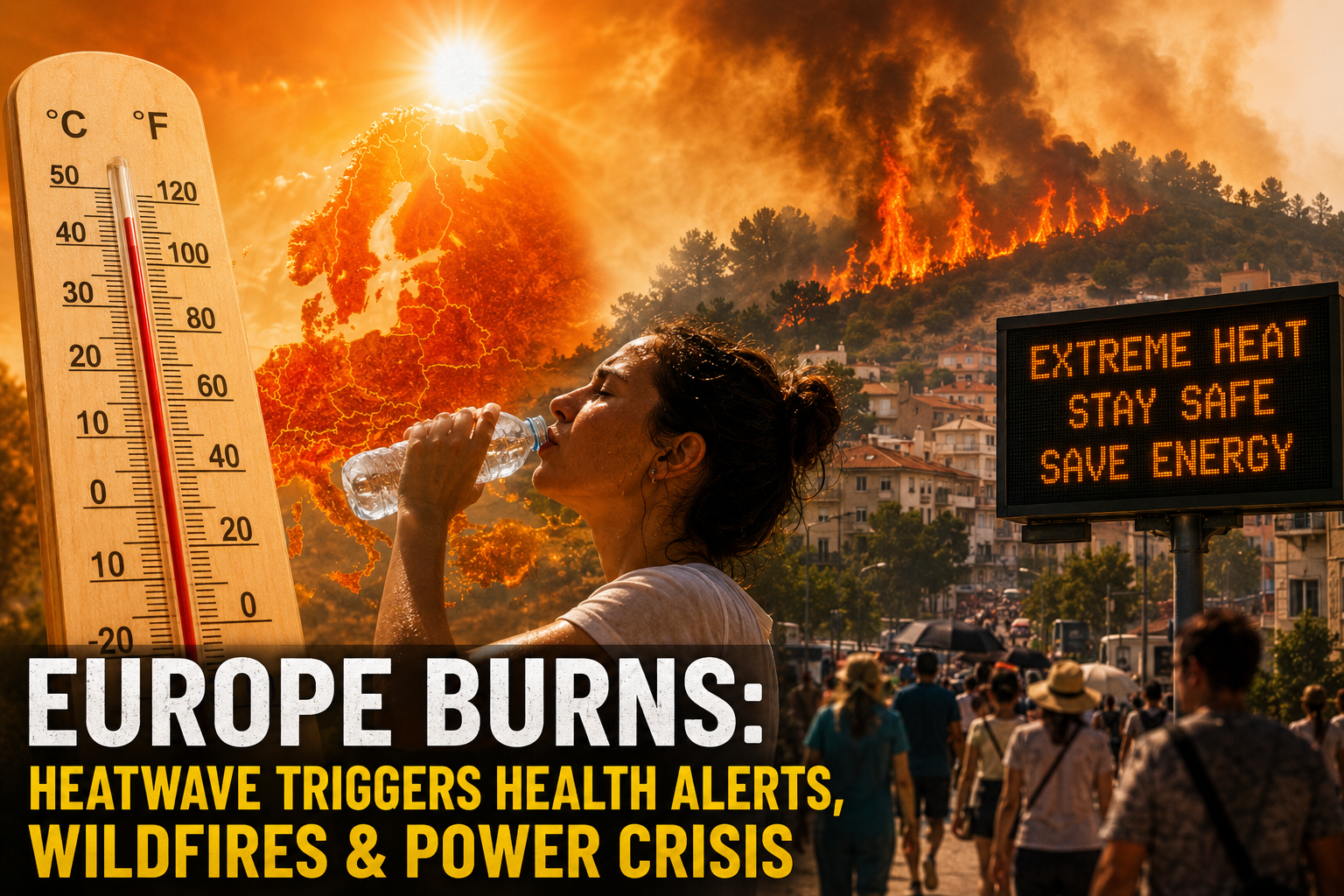
A relentless heatwave sweeping across Europe has pushed temperatures to dangerous levels, forcing governments to issue emergency warnings, straining healthcare systems, and raising fears of widespread wildfires and energy shortages. Meteorological agencies have described the current spell as one of the most intense early-summer heat events in recent years, with several countries recording temperatures above 40°C.
Spain, France, Italy, Portugal, Germany, and parts of Eastern Europe remain under high-alert weather warnings as millions of people struggle to cope with prolonged periods of extreme heat. Authorities have urged residents to stay indoors during the hottest hours of the day, remain hydrated, and take special precautions to protect children, older adults, outdoor workers, and individuals with existing medical conditions.
Health Systems Under Pressure
Hospitals and emergency services across affected countries have reported a significant increase in heat-related illnesses, including dehydration, heat exhaustion, heatstroke, and respiratory complications. Medical professionals warn that prolonged exposure to extreme temperatures can quickly become life-threatening, particularly for vulnerable populations.
In Spain, health authorities have linked more than 1,000 excess deaths during June to extreme heat, underscoring the growing public health risks associated with rising global temperatures. Public health agencies continue to encourage citizens to recognize the early symptoms of heat-related illness and seek immediate medical attention if necessary.
Many cities have extended the operating hours of public cooling centers, distributed drinking water at transport hubs, and launched awareness campaigns advising people to avoid strenuous outdoor activities during the afternoon.
Wildfire Threat Intensifies
The scorching temperatures, combined with dry vegetation and strong seasonal winds, have dramatically increased the risk of wildfires across southern Europe. Firefighters remain on high alert as emergency crews battle multiple blazes in Mediterranean regions where forests have become highly susceptible to ignition.
Authorities have evacuated residents from vulnerable communities in some areas as rapidly spreading fires threatened homes, farmland, and natural habitats. Aviation resources, including firefighting aircraft and helicopters, have been deployed to contain several major fires before they spread further.
Environmental experts warn that longer and more intense heatwaves are creating ideal conditions for increasingly destructive wildfire seasons across Europe.
Energy Demand Reaches Record Levels
The ongoing heatwave has also placed enormous pressure on electricity grids as millions of households and businesses rely heavily on air conditioning and cooling systems. Electricity demand has surged to seasonal highs in several countries, prompting energy operators to closely monitor grid stability.
Some regions have introduced temporary energy-saving measures to reduce the risk of blackouts during peak consumption hours. Utility companies are encouraging consumers to use electricity efficiently, especially during the afternoon when demand reaches its highest levels.
The impact extends beyond households. Industries, commercial establishments, and public institutions are also facing increased operational costs due to higher energy consumption.
Transport and Infrastructure Disruptions
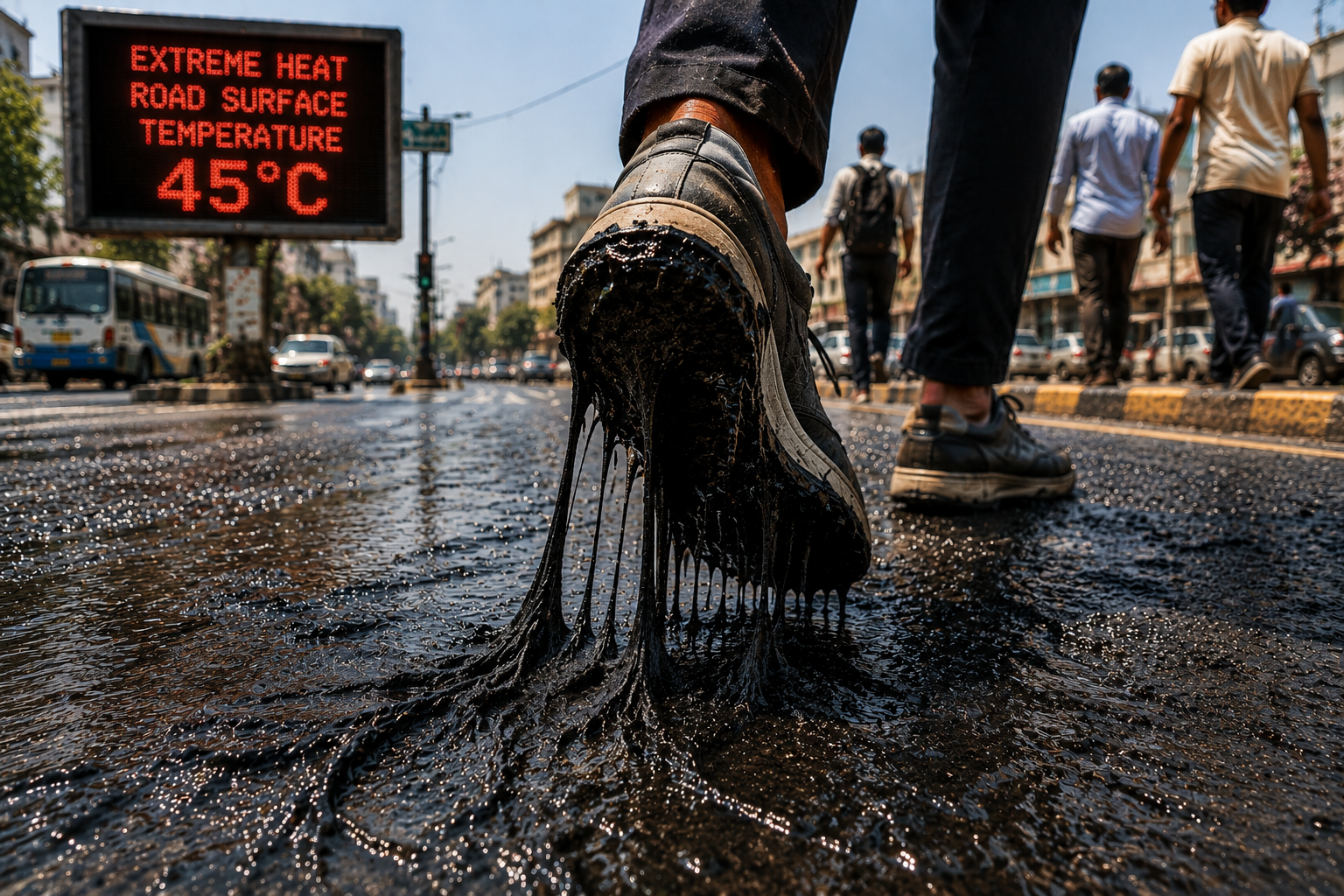
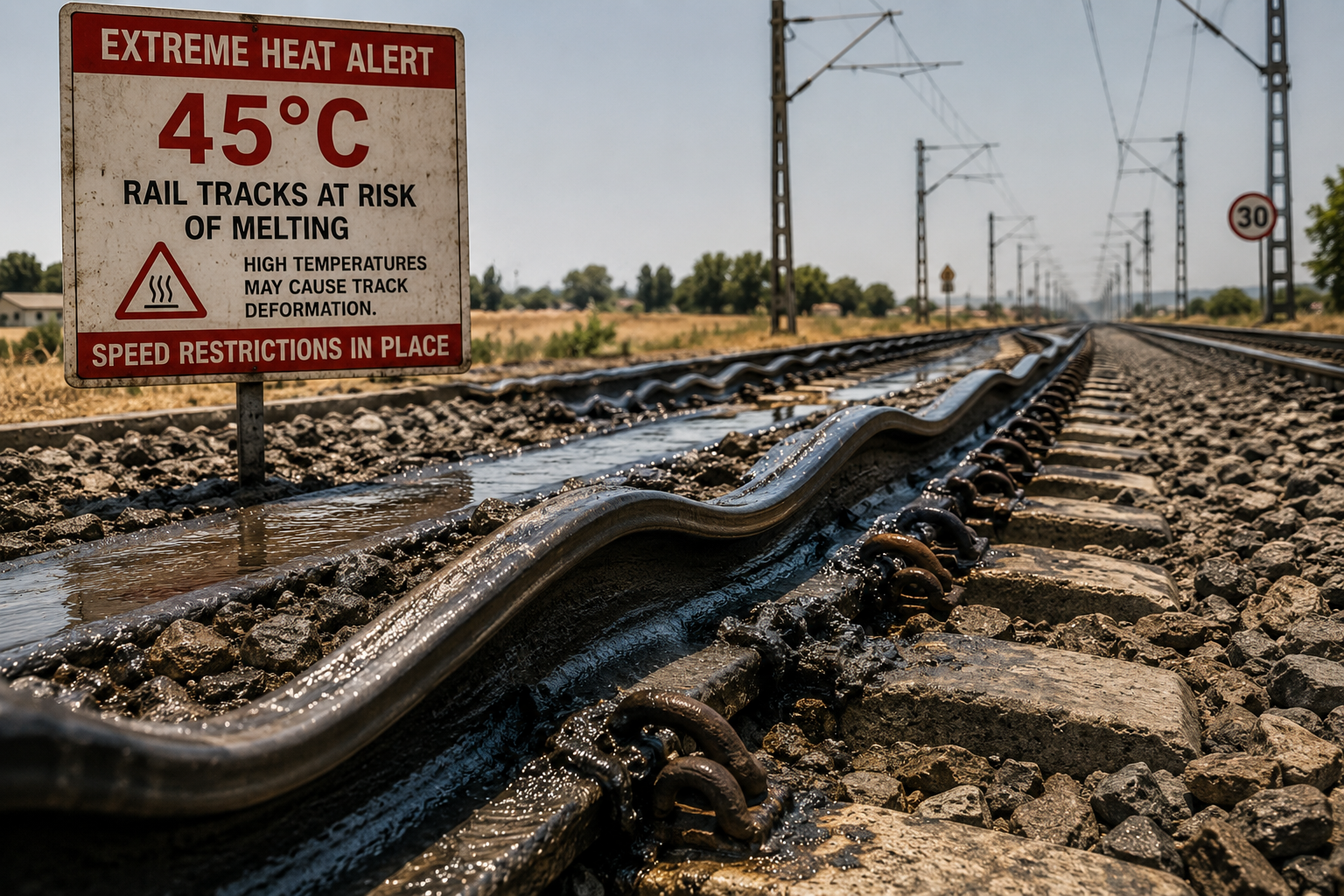
Extreme temperatures are affecting transportation networks across Europe. Rail operators have imposed speed restrictions on certain routes after concerns that intense heat could cause tracks to expand and deform. Road surfaces have softened in some areas, while airport authorities continue to monitor runway conditions to ensure flight safety.
Several schools have modified class schedules or suspended outdoor activities to protect students from dangerous temperatures. Employers have also been advised to adjust working hours for outdoor laborers, particularly those in construction, agriculture, and public services.
Climate Change at the Center of the Crisis
Climate scientists say the current heatwave reflects a growing global trend of more frequent, longer-lasting, and more intense extreme weather events driven by climate change.
Recent scientific analyses indicate that heatwaves of this magnitude have become significantly more likely because of human-induced global warming. Rising greenhouse gas emissions have increased average global temperatures, making record-breaking heat events increasingly common across Europe and other parts of the world.
The World Meteorological Organization has repeatedly warned that climate change is increasing the severity of heatwaves, droughts, floods, and storms, emphasizing the urgent need for stronger climate adaptation strategies and continued efforts to reduce carbon emissions.
Global Concern Beyond Europe
Although Europe is currently experiencing the most severe impacts, extreme heat has also affected parts of North America and Asia in recent months. Earlier this year, several regions of South Asia, including India, experienced unusually high temperatures that disrupted daily life, affected agricultural production, and increased pressure on healthcare systems.
Scientists caution that the frequency of such events is expected to rise further unless global warming is significantly slowed through coordinated international action.
Staying Safe During Extreme Heat
Health experts recommend several precautions during periods of extreme heat:
- Drink water regularly, even if you do not feel thirsty.
- Avoid direct sunlight between late morning and early evening.
- Wear loose-fitting, light-colored clothing.
- Use fans or air conditioning whenever possible.
- Check regularly on elderly family members, children, and people living alone.
- Never leave children or pets inside parked vehicles.
- Reduce strenuous outdoor activities during peak heat hours.
Looking Ahead
Weather agencies expect high temperatures to persist across many parts of Europe over the coming days, with only gradual relief forecast in some regions. Governments continue to monitor the situation closely while emergency services remain on standby to respond to health emergencies, wildfires, and infrastructure disruptions.
The ongoing heatwave serves as another stark reminder of the growing challenges posed by climate change. As extreme weather events become more frequent and severe, experts stress that strengthening climate resilience, improving early warning systems, and protecting vulnerable communities must remain global priorities.